
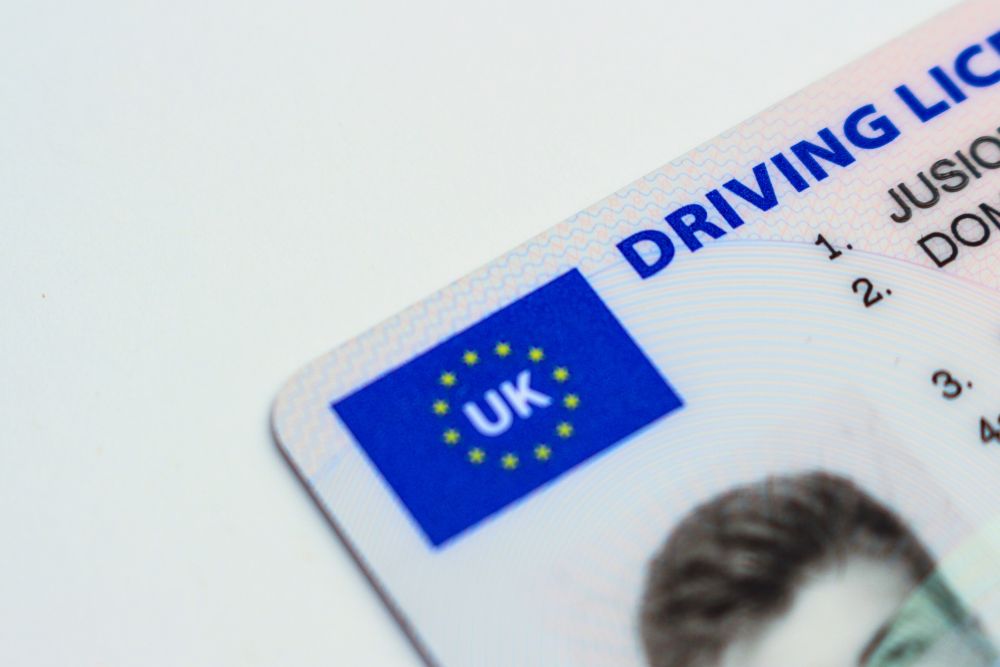
The Government is working to align driving licence regulations for heavier electric vans with those for lighter petrol and diesel vehicles.
Yesterday (Tuesday 25th February), the Department for Transport (DfT) presented secondary legislation to Parliament that will allow Standard category B licence holders to operate zero-emission vehicles weighing up to 4.25 tonnes.
In consideration of the added weight from the vehicle's batteries, this rule will apply to vans, minibuses, SUVs, trucks, and any vehicle that can be driven up to 3.5 tonnes if they are petrol or diesel.
Additionally, the previous requirement for five hours of training for drivers will be eliminated, and adjustments will be made to towing allowances for electric vans up to 4.25 tonnes.
The weight limit for Category B driving licence holders operating alternative-fuel vehicles (AFVs) was first increased from 3.5 tonnes to 4.25 tonnes in 2018.
In October 2023, the previous government announced the removal of the additional five-hour training requirement for drivers of electric vans weighing up to 4.25 tonnes. They also pledged to modify towing allowances and broaden the flexibility to encompass all vehicle types, acknowledging the need for further measures to support their adoption.
However, the new regulations were not implemented before the General Election, and fleets have been awaiting the new administration to present the necessary legislation.
Fleets are also looking forward to the results of an ongoing consultation regarding electric vans titled ‘Zero emission vans: regulatory flexibility.’ This consultation addresses annual vehicle testing, drivers’ hours, tachographs, and speed limiter devices, which are currently required for 4.25-tonne electric vans.